How to Clean Cast Iron Skillets Naturally with Salt
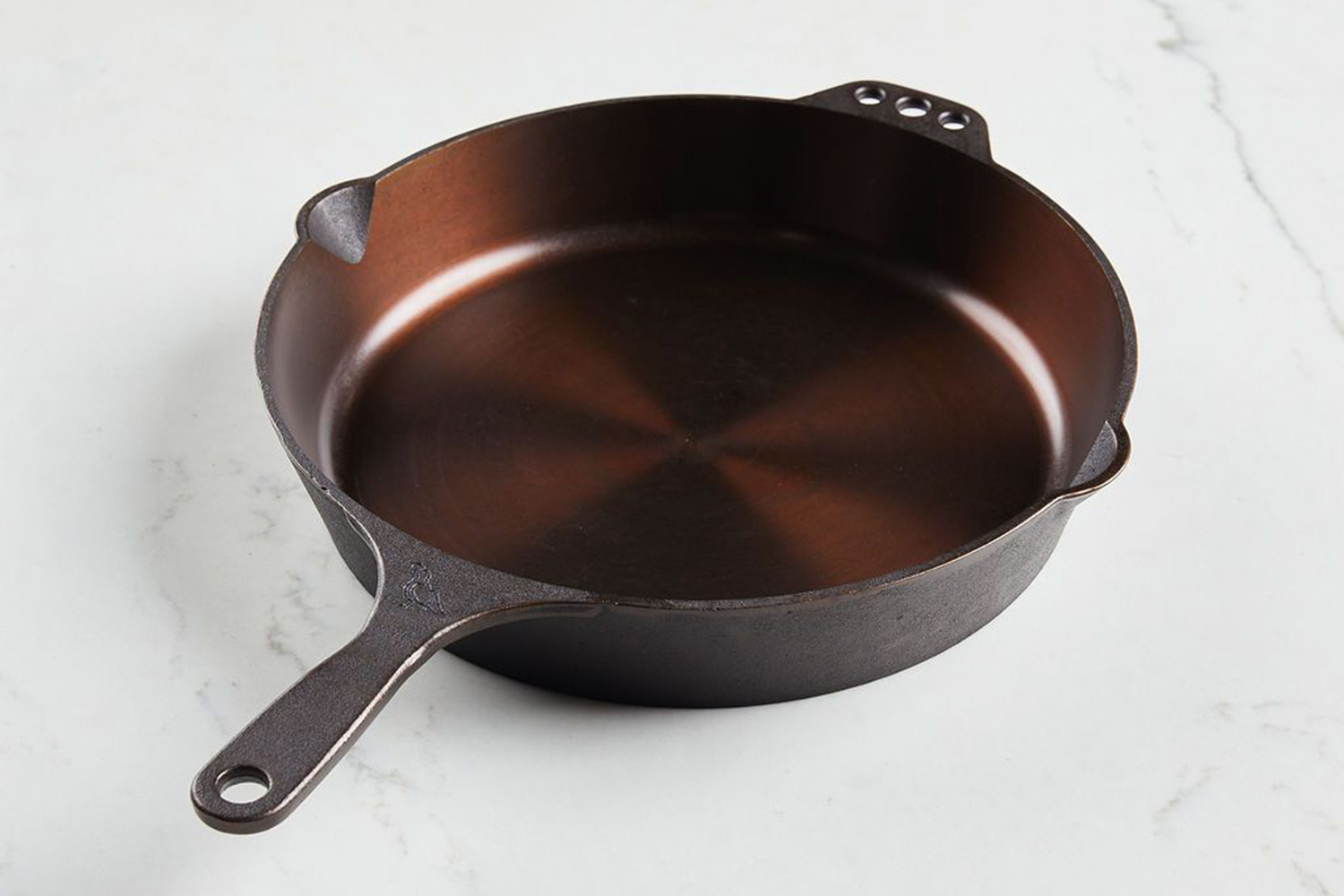
To clean a cast iron skillet naturally, sprinkle two tablespoons of coarse salt into the warm pan and scrub it with a damp dishcloth. Rinse the skillet with hot water, dry it fully with a towel, and rub a tiny drop of vegetable oil over the metal. This quick method removes stuck food without damaging the dark nonstick surface.
Why Salt Works for Cast Iron Cleaning
Coarse kosher salt acts as an abrasive scrub that breaks up burnt food bits without pulling off the seasoned oil layer. Dish soaps contain chemical degreasers that strip away the hard finish you worked build up over months of cooking. Salt simply lifts debris while leaving the protective coating completely intact.
Using natural items keeps your cookware safe for every meal. You do not need commercial sprays or heavy steel wool pads that scratch metal. Salt is cheap, easy to find in your pantry, and completely safe for iron surfaces.

How to Clean Cast Iron Skillets Naturally Step by Step
Follow these quick steps right after cooking while the pan is still slightly warm. Never place a hot iron skillet into a sink full of cold water because sudden temperature changes can crack heavy iron metal.
- Clear loose food: Wipe out loose grease and extra crumbs using a plain paper towel.
- Add coarse salt: Pour two tablespoons of coarse kosher salt directly onto the bottom of the pan.
- Scrub the surface: Take a folded dishcloth or a stiff natural brush and rub the salt in firm circular motions over all burnt spots.
- Rinse quickly: Wash the salt away under hot running water for ten seconds.
- Dry fully: Wipe every inch of the metal with a clean cloth, then heat the pan on low stove flame for two minutes to evaporate hidden dampness.
Restoring Pan Moisture After Cleaning
Water is the main enemy of raw iron because damp metal turns into red rust very quickly. Heat dries out the tiny pores in the metal so rust cannot start forming on your cooktop items.
After the pan is fully dry, pour half a teaspoon of canola oil or melted shortening into the warm skillet. Use a fresh paper towel to spread the oil across the inside, sides, and bottom exterior. Rub until the surface looks dark and smooth rather than greasy or wet.
How to Handle Tough Burnt Food Spots
Sometimes stubborn food bakes onto the metal during high heat frying. When plain salt scrubbing leaves stuck patches behind, you can use a quick water simmer technique to lift the baked spots.
- Add warm water: Pour one cup of clean water into the pan until it covers the stuck bits.
- Simmer briefly: Place the pan on the stove and heat it until the water boils for three minutes.
- Scrape gently: Use a flat wooden spoon to lift the softened food bits off the bottom.
- Drain and dry: Pour out the hot water, dry the pan completely, and apply a fresh oil coating.
How to Store Cast Iron Pans Safely
Store your cleaned pan in a dry cabinet away from sink moisture and damp air. If you stack several frying pans inside one drawer, place a plain paper towel inside each skillet to stop scratches and absorb leftover room moisture.
Unlike standard clothes care that relies on professional Dry cleaning solvents, kitchen iron care requires simple heat and light plant oil. Consistent salt scrubbing and oiling will keep your natural cast iron skillet slick, black, and ready for daily cooking for years.


Comments
Post a Comment